The History of Scotland: Romans, Kings and Castles
Few countries can boast a history as varied and remarkable as that of Scotland. From its Neolithic Period in about 4,000 BC to the Scottish Enlightenment almost 6,000 years later, the history of this great nation never disappoints.
This website strives to convey the exciting details of Scotland’s intricate (and, at times, confusing) history. Here, readers will find a range of well-written articles covering every period of Scotland’s incredible past.
From the Roman occupation of the 1st century AD to the dramatic deposition of King James VII, the breath-taking narratives to be found at this website are sure to keep readers on the edge of their seat.
The Oldest Hotels in Scotland
24 Jun 2021
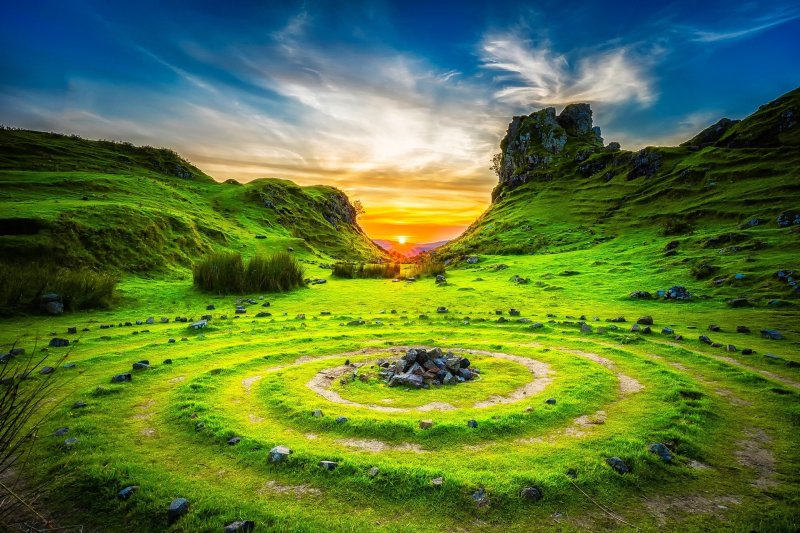
Scotland is known as one of the most stunning locations in the world! Rolling verdant mountains, grassy knolls, and shimmering azure lakes refresh the spirit and spark whimsical magic within.
Luxury accommodations do include castles in Scotland. A day journey strolling amongst the heather and Scottish primroses can lead you to distinguished, centuries-old castle hotels along the way. It may be a valuable time for you to relax and think about your fx trading; why not pre-book in advance?
Kenmore Hotel
Leading as the oldest hotel in Scotia, the Kenmore is poised in the beauty of Perthshire's mountain region. The hotel emerged as a tavern in 1502 with an Inn offering countryside lodging and tidbits. Later in the 1500s, Laird Colin Campbell initiated the metamorphosis of the tavern to a hotel.
Hence, the Kenmore was birthed, and architecture still exists from the 16th-century creation. The Kenmore entrance is accented with curvilinear tree trunks and stately columns. Once inside, you'll marvel at the preserved interior historic features. British royals were known to frequent the property, stirring popularity with praises about the surrounding natural magnificence.
InterContinental Edinburgh The George
If culture, style, and beauty inspire you, then Scotland's capital city Edinburgh is in order. InterContinental Edinburgh, The George in the UNESCO World Heritage region, presents an impressive history of commerce, art, publishing, and superb dining. Five stylish townhouses originally built in 1881 have attracted some of Scotland's most honoured poets, authors, and professionals. U.S. starlets also found delight at the George Hotel.
Forter Castle
Glenisla, Perthshire, is a prime location for authentic Scottish antiquities and a historic Scottish castle! The Forter Castle was constructed in 1560 and burned down in 1640. Rebuilding began centuries later, in the 1990s. Leisurely retreats and relaxation in a luxury castle environment are perfect for a low-key-getaway, events, nature enjoyment, or holidays. The Forter offers an intimate, warm setting for memorable gatherings within a delightful Scottish castle.
Inverlochy Castle Hotel
History, gorgeous landscaping, and Scotland's most vibrant foothills surround the Inverlochy Castle Hotel in Fort Williams. The baronial mansion was built in the 19th century. Sights nearby include Glencoe mountains, Glen Nevis Falls, Glenfinnan monument, and famous Inverlochy 13th century castle. Queen Victoria rejoiced over Inverlochy's loveliness and romantic essence. Days and nights at Inverlochy are abundant with pure Scottish enchantment.
Balmoral Hotel
Situated in Edinburgh, the Balmoral Hotel is located near Edinburgh Waverley Station's shopping and views of Edinburgh Castle. The Victorian and Scottish baronial-styled hotel was built in 1902 for travellers aboard the North British Railway.
Since the inception, the Balmoral has grown exponentially to become one of Edinburgh's most impressive landmarks. The hotel features a Michelin Star restaurant, afternoon tea, contemporary bar mixology, and over 400 Scotch whiskey choices. Unwind in the Balmoral Spa for a pleasurable sauna session, Turkish bath, or body treatment.
Scotland holds a treasured history of knights, chivalry, and princesses in high tower castles, all of which you can encounter today. Well, at least the tall towers and castles. Rolling verdant mountains, grassy knolls, and shimmering azure lakes refresh the spirit and spark whimsical magic within.
Inside Scotland's Edinburgh Castle
11 Apr 2021
Sure, Scotland has thousands of castles, but the most famous of all is Edinburgh Castle, which is home to Mons Meg and the Crown Jewels. You can catch the so-called One O'Clock Gun when you arrive in time. And there is the Stone of Destiny too.
The Last Scottish Monarch
8 Mar 2021
Scotland boasts a long list of monarchs, who ruled the kingdom for many centuries. The last monarch to be at the helm of the Scottish government was Queen Anne. She ushered in the United Kingdom, and hence became the first monarch of the UK.
How Many Castles are There in Scotland?
2 Feb 2021
Scotland is home to numerous castles. Approximately, the country boasts at least 3,000 castles. Some of these castles include Edinburgh, Braemar, Blair, Balmoral, Glamis, and Sterling. It does not really matter where you are located in the country; you will never be far away from a castle.